
Nobody mentions what happens between “small leak” and “catastrophic failure.” That middle phase—where water silently compromises your foundation over months—costs more than both ends combined, regardless of the best waterproofing system for property you think you have chosen.
You’re not dealing with floods; you’re bleeding equity through invisible deterioration. Foundation settling. Microbial growth. Rebar corrosion. Concrete spalling. This is happening RIGHT NOW in thousands of Texas properties while owners assume everything’s fine.
This guide focuses specifically on 10 types of waterproofing systems designed to eliminate that invisible middle phase. Because the disaster you don’t see coming hits hardest.
Key Takeaways
➤ Water damage in Texas often starts silently, with heat, humidity, clay soil, and heavy rain slowly weakening foundations and walls.
➤ Early warning signs like musty odors, efflorescence, peeling paint, cracks, and standing water signal the need for waterproofing before major damage occurs.
➤ Texas properties require specialized systems designed to handle UV exposure, hydrostatic pressure, and foundation movement.
➤ Different waterproofing systems suit different uses, from crystalline solutions for concrete to membranes and coatings for roofs and walls.
➤ Choosing the right system depends on climate zone, application area, water pressure, and building codes.
Why Texas Properties Need Specialized Waterproofing
The unique climate and soil conditions in the state put constant stress on every structure. Understanding these local factors helps you choose the right protection for your foundation and walls through a reliable waterproofing systems comparison.
1. Extreme heat and UV exposure: Intense Texas heat and UV rays degrade waterproofing materials faster, while thermal expansion creates structural cracks, allowing water entry.
2. Flash floods and heavy rainfall: Extreme rainfall events saturate soil around foundations, creating hydrostatic pressure that overwhelms inadequate foundation waterproofing systems, forcing water through structural weaknesses and cracks.
3. High humidity levels: Constant high humidity, especially in coastal areas, creates ideal conditions for mold growth, wood rot, and progressive foundation deterioration.
4. Hurricane and tropical storm risks: Annual hurricanes and tropical storms bring sustained rainfall that overwhelms drainage systems, causing catastrophic flooding even in inland properties.
5. Temperature fluctuations: Extreme temperature swings cause freeze-thaw cycles where water seeps into cracks, freezes, expands, and creates exponentially worsening damage.
6. Expansive clay soil: Clay soil swells when wet and shrinks when dry, creating constant foundation movement and pressure requiring specialized waterproofing protection.
What Are the Signs That Indicate You Need Waterproofing Solutions for Home and Business in Texas?
Water damage often starts quietly before it becomes a major problem for you. Catching the early signs of moisture can save you thousands of dollars in structural repairs. You should look for specific changes inside and outside your property to stay ahead of damage and avail the required waterproofing services on time:
1. Interior Warning Signs
(i) Water stains on walls or ceilings: Those yellowish or brownish patches mean water is getting in. The stain you see is just the tip of the iceberg. There’s usually much more damage behind the wall.
(ii) Musty odors and mold growth: That basement smell? It’s not normal. It’s mold releasing spores into your air. You’re breathing that. Your family or employees are breathing that.
(iii) Peeling paint or wallpaper: Water causes paint and wallpaper to lose adhesion. If your walls are peeling, water is the likely culprit.
(iv) Damp basements or crawl spaces: Any dampness in these areas signals a waterproofing failure. These spaces should be completely dry.
(v) Efflorescence: Those white, powdery deposits on concrete walls are mineral salts left behind by evaporating water. It’s proof that water is moving through your walls due to ineffective types of waterproofing systems.
2. Exterior Warning Signs
(i) Foundation cracks: Any crack wider than 1/8 inch is serious. Even smaller cracks can allow significant water infiltration.
(ii) Standing water after rain: Water should drain away from your foundation within hours. If it doesn’t, your grading or drainage system has failed, making a thorough waterproofing systems comparison unavoidable.
(iii) Damaged or clogged gutters: Gutters direct thousands of gallons of water away from your foundation. When they fail, that water goes straight down to your foundation walls.
(iv) Settling or uneven floors: When foundations get water-damaged, they settle unevenly. You’ll notice sloping floors, doors that won’t close properly, or cracks appearing in drywall.
(v) Deteriorating exterior sealants: Those joints where different materials meet (like where brick meets concrete) need to stay sealed. If you see gaps or cracks, water is getting in.
(vi) Basement window well problems: Window wells should keep water away from basement windows. If they’re filling with water, they’re doing the opposite of their job.
Related Post: The Ultimate Waterproofing Services Guide: Methods, Costs & Best Practices
What Is the Best Waterproofing System for Property in Texas?
In Texas, our buildings must survive everything from record-breaking heat waves to sudden, heavy tropical storms. By looking at the following types of waterproofing systems, you can find the perfect match for your specific environment and budget through a practical waterproofing systems comparison:
1. Cementitious Waterproofing
This is a thick cement-based coating applied directly to concrete surfaces.
How it works: The cementitious mixture bonds to concrete and creates a rigid, waterproof barrier. It’s the simplest waterproofing method available and is widely recognised for specific cementitious waterproofing uses in controlled environments.
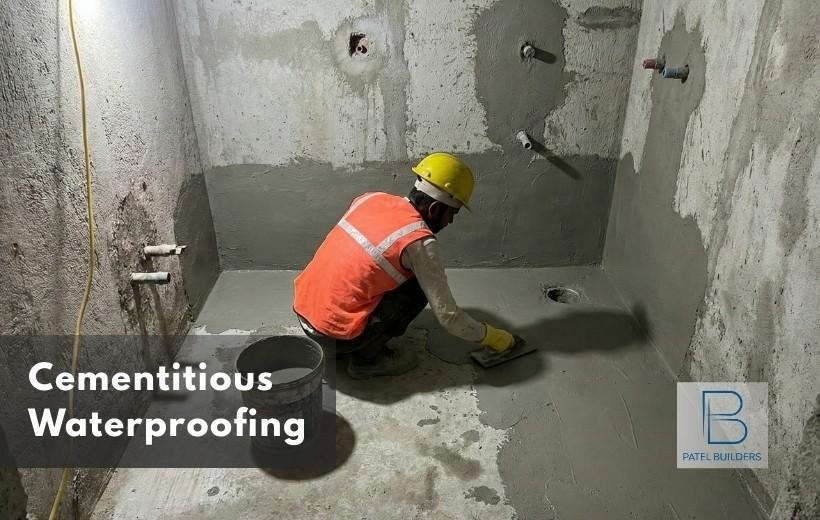
Best applications: Interior basement walls, water storage tanks, bathroom waterproofing, below-grade parking structures, swimming pool interiors
Why it works: Cementitious waterproofing handles Texas’s dry climate well. In areas with sandy soil and minimal ground movement (like West Texas), this system performs excellently.
Limitations: Cementitious waterproofing is completely inflexible. When your foundation moves due to our expansive clay soil or temperature fluctuations, this system can crack.
Lifespan: 10-15 years in ideal conditions, but only 5-7 years in areas with significant foundation movement.
Cost range: $3 and $12 per square foot
2. Liquid-Applied Membranes (LAM)
LAM is a liquid waterproofing material that’s applied with a roller or spray gun. It cures to form a seamless, flexible membrane.
How it works: The liquid penetrates into surface pores and forms a continuous waterproof layer with no seams or joints. This eliminates the weak points that plague other systems.
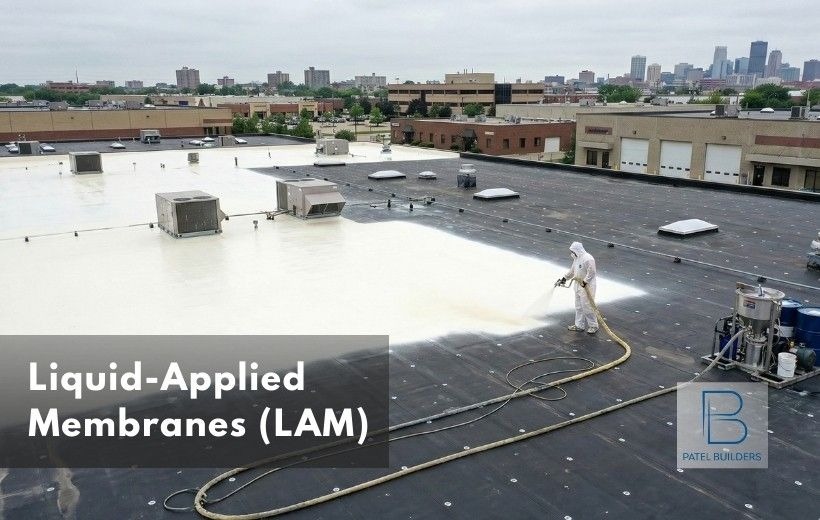
Best applications: Commercial flat roofs and rooftop terraces, complex roof shapes with multiple penetrations, balconies and elevated decks, parking garage deck surfaces, areas around HVAC equipment
Why it works: Most commercial buildings in Texas have flat or low-slope roofs that collect standing water. LAM systems handle ponding water better than almost any other waterproofing method.
Limitations: High humidity can delay curing, and the surface must be perfectly dry. It also requires skilled labor to ensure uniform thickness across large areas.
Lifespan: 15-20 years with proper maintenance
Cost range: $5 and $15 per square foot
3. Sheet-Based Membranes (HDPE, PVC, SBS, TPO)
These are pre-fabricated waterproofing sheets made from various materials, including High-Density Polyethylene (HDPE), Polyvinyl Chloride (PVC), Styrene-Butadiene-Styrene (SBS), and Thermoplastic Polyolefin (TPO).
How it works: Large sheets are rolled out over the surface and either mechanically fastened, fully adhered with adhesive, or heat-welded together. The seams between sheets are sealed to create a continuous waterproof barrier, making this section central to liquid waterproofing vs sheet membrane decisions.
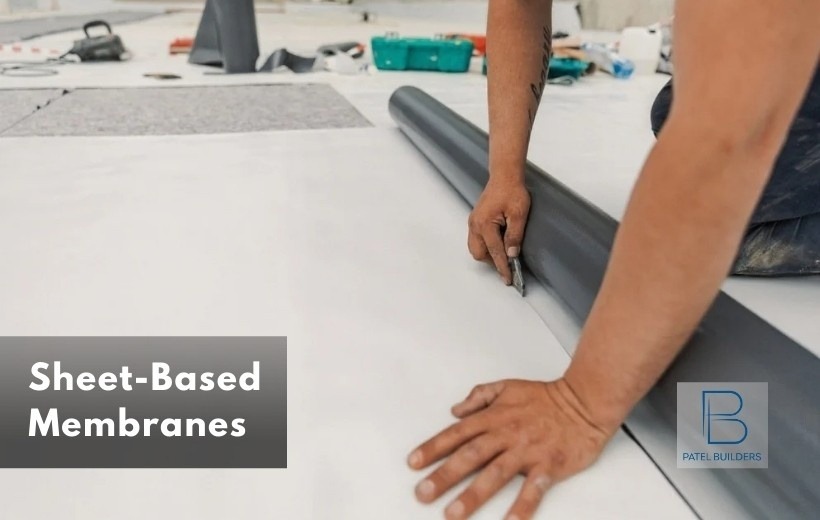
Best applications: Large flat commercial roofs, below-grade foundation walls, parking garage plaza decks, industrial facility roofs, large-scale residential developments
Why it works: Pre-made thickness ensures consistent quality, and heat-welded seams handle Texas’s thermal expansion and heavy rainfall reliably.
Limitations: Complex shapes are hard to seal, and poor workmanship at seams can lead to failure in high-pressure environments.
Lifespan: TPO: 20-25 years, PVC: 20-30 years, SBS: 15-20 years
Cost range: $4 and $15 per square foot
4. Polyurethane (PU) Coatings
This is a liquid-applied coating that cures into a highly flexible, rubber-like membrane. Think of it as liquid rubber for your roof.
How it works: Polyurethane is applied in multiple coats, building up thickness for maximum protection. It bonds directly to existing substrates and flexes with building movement, delivering key polyurethane waterproofing benefits for structures exposed to Texas heat.
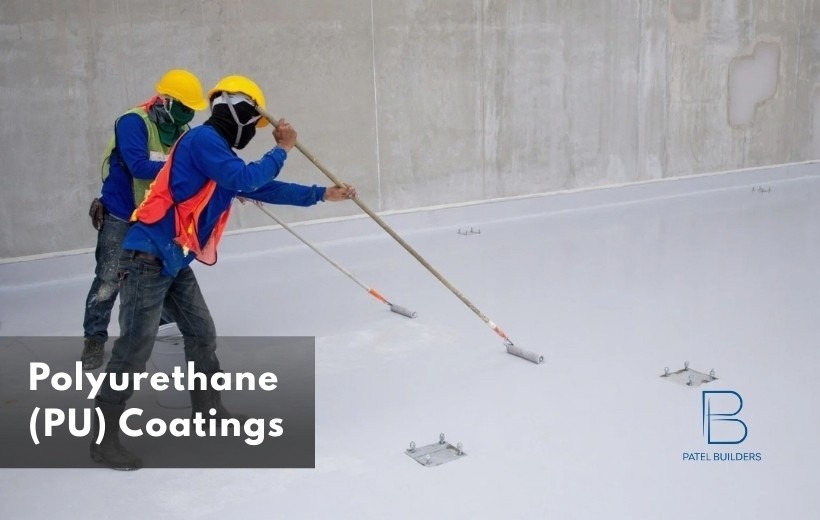
Best applications: Flat roofs experiencing ponding water, terraces and balconies with foot traffic, roofs requiring high elasticity, renovation projects over existing waterproofing
Why it works: Its extreme flexibility handles building movement from Texas heat, while the seamless layer stops leaks from standing water.
Limitations: The strong chemical odor can be unpleasant during application. It also requires several layers, which takes longer to finish.
Lifespan: 15-25 years, depending on coating thickness and maintenance
Cost range: $2 and $5 per square foot
5. Polyurea Waterproofing
It’s an advanced spray-applied coating that cures incredibly fast. We’re talking 10-30 seconds fast.
How it works: Polyurea is sprayed onto surfaces using specialized equipment. It cures almost instantly into an extremely durable, flexible membrane.
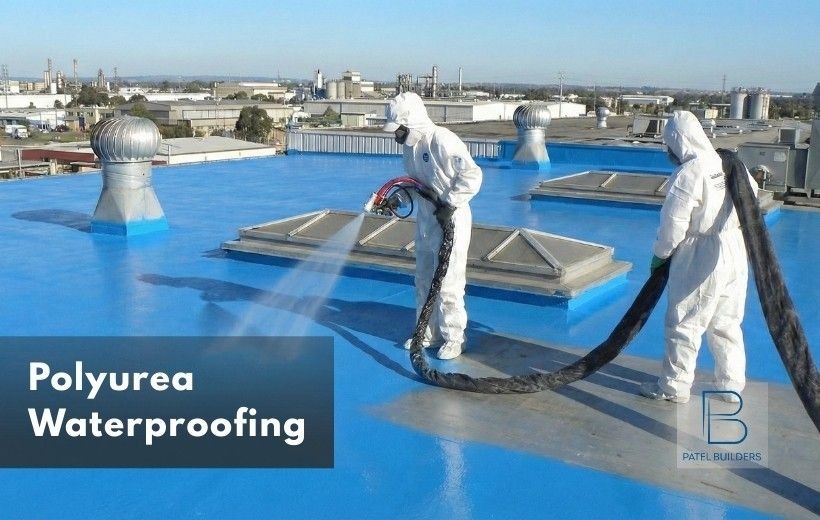
Best applications: Industrial roofs requiring quick turnaround, water treatment facilities, secondary containment areas, bridge decks and infrastructure, commercial buildings needing rapid installation, areas requiring chemical resistance
Why it works: It dries in seconds for fast use. It stays flexible during heat and handles building movement without any cracking, which places it high in any professional waterproofing systems comparison.
Limitations: This system costs more than others. It requires special spray tools and expert workers to apply it correctly.
Lifespan: 20-30 years
Cost range: $7 and $15 per square foot
6. Silicone Roof Coatings
It’s a liquid-applied silicone coating specifically designed for flat and low-slope roofs. Reliable outcomes are achieved with professional rooftop waterproofing services in Texas.
How it works: Silicone coatings create a seamless, highly reflective membrane that bonds to existing roof surfaces. They’re often used to restore aging roofs and feature prominently in modern roof waterproofing methods.
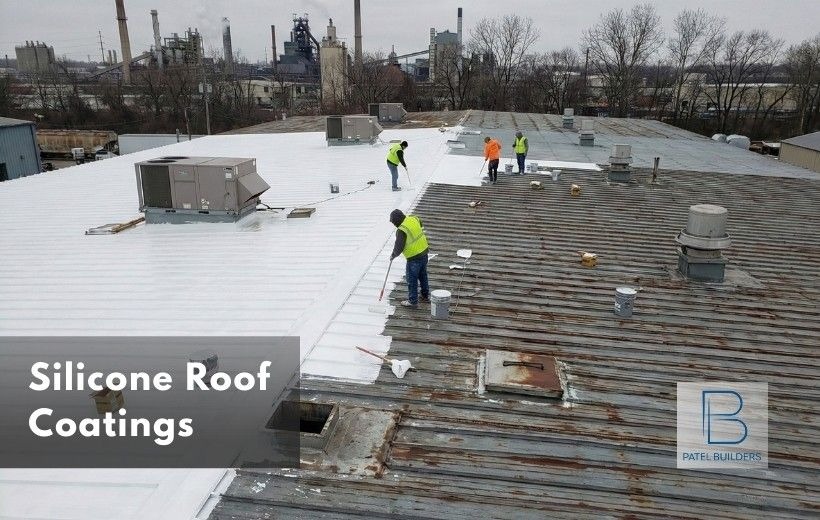
Best applications: Existing flat commercial roofs, metal roofs needing restoration, areas with chronic ponding water, roofs requiring maximum solar reflectance, EPDM or TPO roof restoration
Why it works: It offers superior UV protection and resists standing water without breaking down, keeping Texas buildings cool while preventing common flat-roof leaks.
Limitations: The surface becomes extremely slippery when wet, and it attracts dirt quickly, which can reduce its cooling benefits over time.
Lifespan: 15-20 years as a restoration coating; can be recoated to extend life indefinitely
Cost range: $1.50 and $4.50 per square foot
7. Acrylic Coatings
It’s a water-based, elastic coating that creates a protective waterproof membrane.
How it works: Acrylic coatings are applied in multiple thin coats. They dry to form a flexible, UV-reflective membrane.
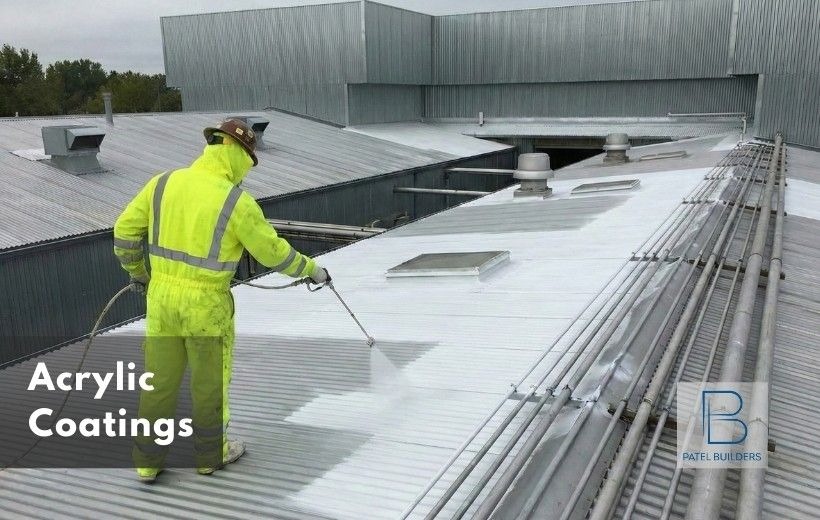
Best applications: Sloped metal roofs, residential roof restoration, areas with light foot traffic, single-ply membrane protection, buildings requiring eco-friendly options
Why it works: This system provides a seamless shield that prevents leaks and protects metal roofs from rusting in high humidity.
Limitations: It can’t handle standing water and will break down quickly if puddles remain on your roof for long.
Lifespan: 10-15 years; requires recoating for continued protection
Cost range: $0.50 and $3.00 per square foot
8. Elastomeric Coatings
It’s a highly flexible, rubber-based coating that stretches and contracts with building movement.
How it works: Elastomeric coatings form a thick, elastic membrane that can stretch up to 300% of its original size without breaking, making them useful terrace waterproofing solutions in high-movement areas.
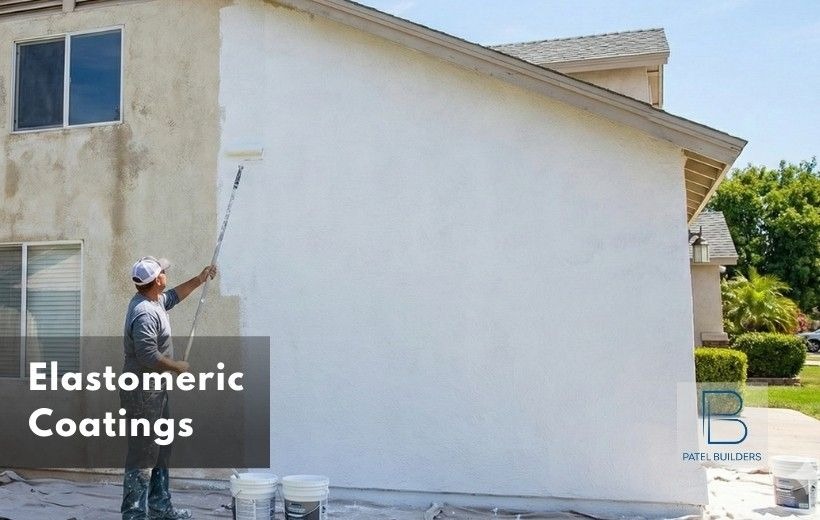
Best applications: Stucco and EIFS (Exterior Insulation Finishing System) buildings, concrete and masonry walls, areas experiencing significant thermal movement, exterior walls requiring waterproofing and flexibility, buildings with minor crack issues
Why it works: It acts like a rubber glove for your building, sealing porous walls against wind-driven rain while moving with the structure during Texas heat.
Limitations: The coating can trap moisture if the walls aren’t dry before application, and its rubbery texture can attract dust and dirt easily.
Lifespan: 10-15 years on vertical surfaces
Cost range: $1.00 and $4.00 per square foot
9. Crystalline Waterproofing
It’s a chemical waterproofing technology that becomes part of the concrete itself.
How it works: Crystalline waterproofing contains reactive chemicals that penetrate into concrete. When these chemicals meet moisture and unhydrated cement particles, they form millions of needle-like crystals. These crystals fill capillary pores and micro-cracks in the concrete, blocking water passage, making this method unique in any waterproofing materials guide.
The crystals remain dormant when dry. If a new crack forms years later and water enters, the crystals reactivate and seal the crack. It’s self-healing waterproofing.
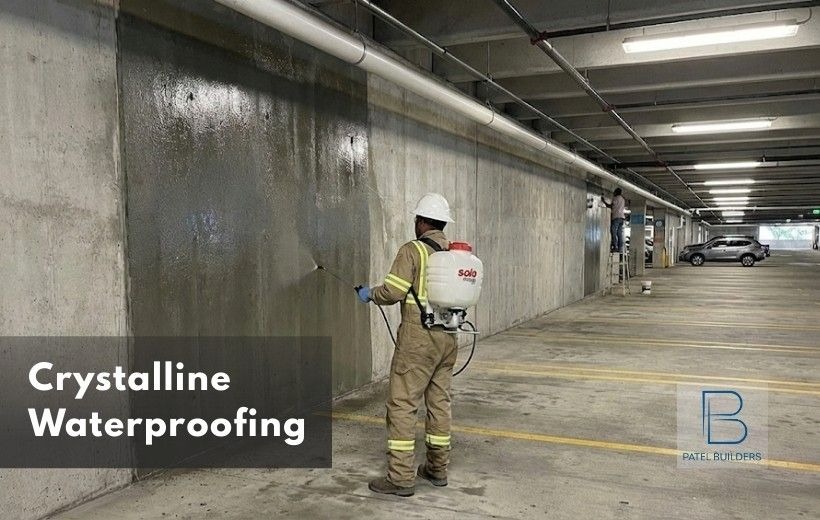
Best applications: Below-grade foundations, concrete water tanks and reservoirs, parking structures, tunnels and underground structures, elevator pits, retaining walls
Why it works: It creates an internal shield that seals pores and heals new cracks automatically when water enters the concrete.
Limitations: This method only works on concrete and won’t bridge large structural cracks caused by significant ground movement.
Lifespan: Permanent (life of the concrete structure)
Cost range: $3 and $7 per square foot
10. Bituminous (Asphalt-Based) Waterproofing
It’s one of the oldest waterproofing methods, using asphalt or coal-tar pitch to create a waterproof barrier.
How it works: Bituminous materials are applied either as hot-mopped layers, cold-applied mastics, or self-adhering membranes. The asphalt creates a thick, waterproof barrier.
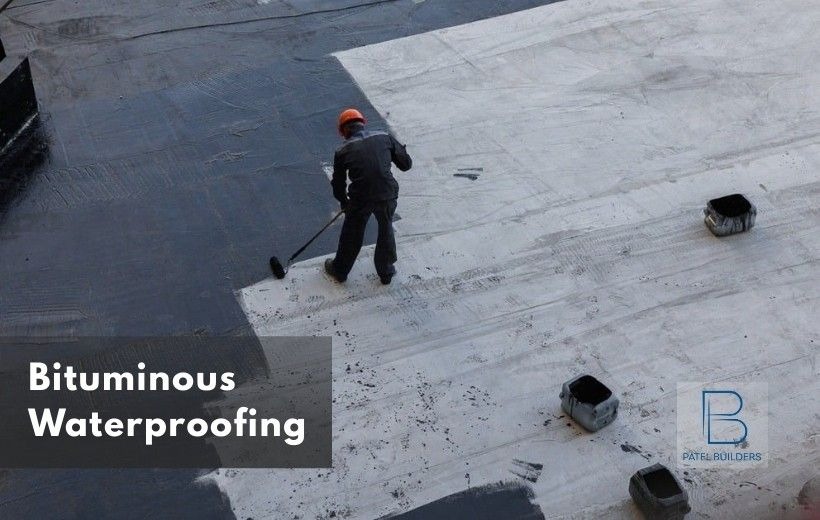
Best applications: Below-grade foundation waterproofing, parking lot surfaces, driveway sealcoating, built-up roofing (BUR) systems, industrial facilities requiring chemical resistance
Why it works: It creates a thick, sticky shield that effectively blocks water from penetrating basement walls and foundation structures.
Limitations: Sunlight causes the material to dry and crack, and the application often requires high heat or strong chemicals.
Lifespan: 20-30 years for properly installed below-grade applications
Cost range: $3 and $8 per square foot
How to Choose the Best Waterproofing System for Property in Texas?
You must evaluate your specific location and the way you use your building to ensure long-term safety. Following these five steps will help you identify the most effective solution for your needs and select the best solution through a practical waterproofing systems comparison:
1. Property Type
Match durability to usage. Homes need 15-20 year systems with good warranties. Commercial buildings need fast installation to minimize downtime. Industrial facilities require chemical-resistant, heavy-traffic-rated materials. Higher use demands tougher systems.
2. Texas Climate Zone
Pick systems proven in your region. North Texas needs hail-impact and clay-compatible options. Central Texas requires flash-flood drainage plus UV resistance. Coastal demands hurricane-rated, moisture-proof materials. West needs maximum UV stability and flexibility, which narrows down the viable types of waterproofing systems.
3. Application Area
Select systems designed for your surface. Flat roofs need ponding-water resistance. Foundations require hydrostatic pressure protection. Walls need breathable coatings. Decks demand traffic-rated membranes. Wrong application equals guaranteed failure within years.
4. Water Pressure Levels
Assess pressure, then match strength. Below-grade areas need robust membranes for constant pressure. Above-grade handles lighter coatings. Measure your exposure—standing water, occasional rain, or continuous underground flow—then choose appropriate strength ratings.
5. Building Codes
Verify compliance before purchasing anything. Coastal zones require wind-uplift ratings. Check local fire code requirements. Confirm VOC limits in your area. Ask contractors for permit plans. Code-compliant systems prevent insurance and resale nightmares later on and ensure the best waterproofing system for property remains valid long term.
Water Damage Is Silent—Until It’s Too Late!
Texas properties face relentless water threats from expansive clay soil, flash floods, and extreme heat cycles. The waterproofing systems covered here solve specific problems based on your climate zone, application area, and pressure levels. Choosing incorrectly means watching your foundation deteriorate while repair costs multiply.
The right system protects your investment for decades, while the wrong one fails within years. Patel Builders specializes in waterproofing solutions engineered for Texas’s unique conditions. Contact us today or call (+1) 516-205-0420 to schedule a property assessment and protect your foundation before water damage becomes irreversible.
Frequently Asked Questions
1. What is the best waterproofing system for homes in Texas?
The best types of waterproofing systems for Texas homes deal with clay soils and heavy rain. Options include exterior polyurethane coatings, bentonite panels, and rubberized asphalt membranes. These help manage moisture around foundations.
For exterior walls, use high-performance barriers like breathable wraps and structural sheathing. They prevent moisture from getting in.
2. Which waterproofing system is best for roofs?
The best roof waterproofing systems vary by roof type and climate. Silicone coatings work well for flat or pond-prone roofs because they resist UV rays.
Liquid-applied systems like polyurethane or PMMA give seamless and durable protection for complex shapes. For flat, high-traffic roofs, EPDM rubber membranes or PVC/TPO membranes provide 20–30 year lifespans.
3. What areas of a house need waterproofing the most?
The areas of a house that need waterproofing the most are the foundation, basement, roof, bathrooms, kitchen, and exterior walls. These spots are vital to stopping water damage, mold growth, and expensive repairs. Good waterproofing serves as a barrier against water entry, helping to ensure the structure lasts longer.
4. How long does waterproofing last in Texas climate?
Waterproofing in Texas usually lasts 10 to 25 years. This depends on the method, materials, and maintenance. High temperatures and UV exposure speed up wear. Common liquid-applied systems last about 10 to 15 years. In contrast, durable membranes like PVC or TPO can last over 20 years.
5. Can waterproofing be applied to existing buildings?
Yes, specialized waterproofing systems can fix leaks or upgrade protection in existing buildings. They can be used on both interior (negative side) and exterior (positive side) surfaces. Common methods include liquid membranes, crystalline treatments, or polymer gels applied to foundations, roofs, and walls.


:%20Types,%20Uses%20&%20How%20to%20Choose)