
Stop leaks, ponding, and UV damage before they ruin your property or cost you thousands in repairs. Protect your roof with our rooftop waterproofing services in Texas. We provide quick estimates, certified professionals, clear condition reports, and emergency repairs to keep your property safe on schedule and your investment performing for years.
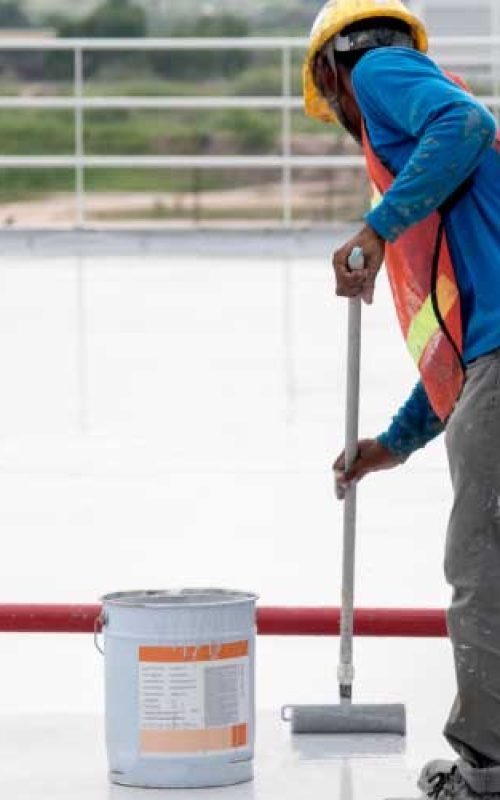
Roofs fail for a lot of reasons, and in Texas. The climate only speeds some of them up. Here are the most common causes of roof leaks, so you know what to look for and what to mention when opting for Patel Builders’ waterproofing services.
We protect roofs across Texas with long-lasting, rooftop waterproofing Texas solutions. Patel Builders handles everything from quick storm restores and roof membrane repair Texas to full membrane replacements and routine maintenance.
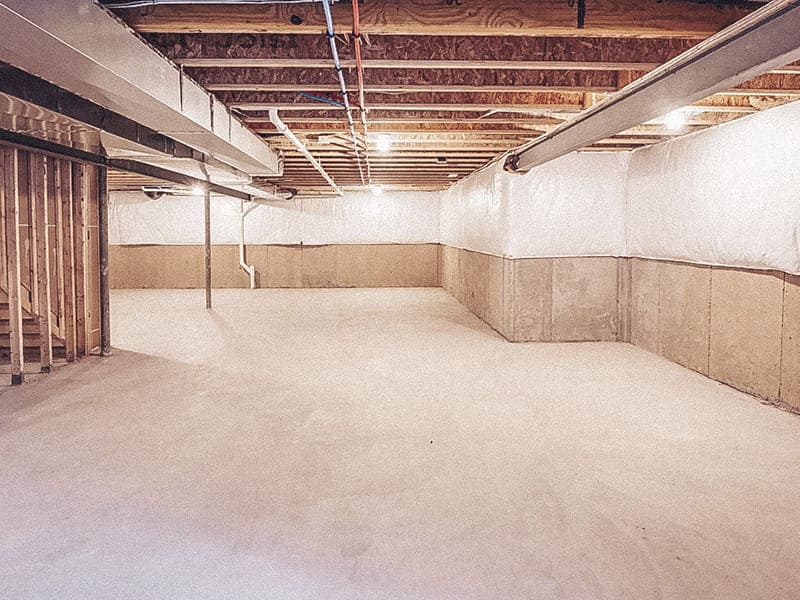
Seamless coatings that stop pinholes, add UV protection, and improve reflectivity. Best for restoring TPO/EPDM and quick, low‑disruption renewals.
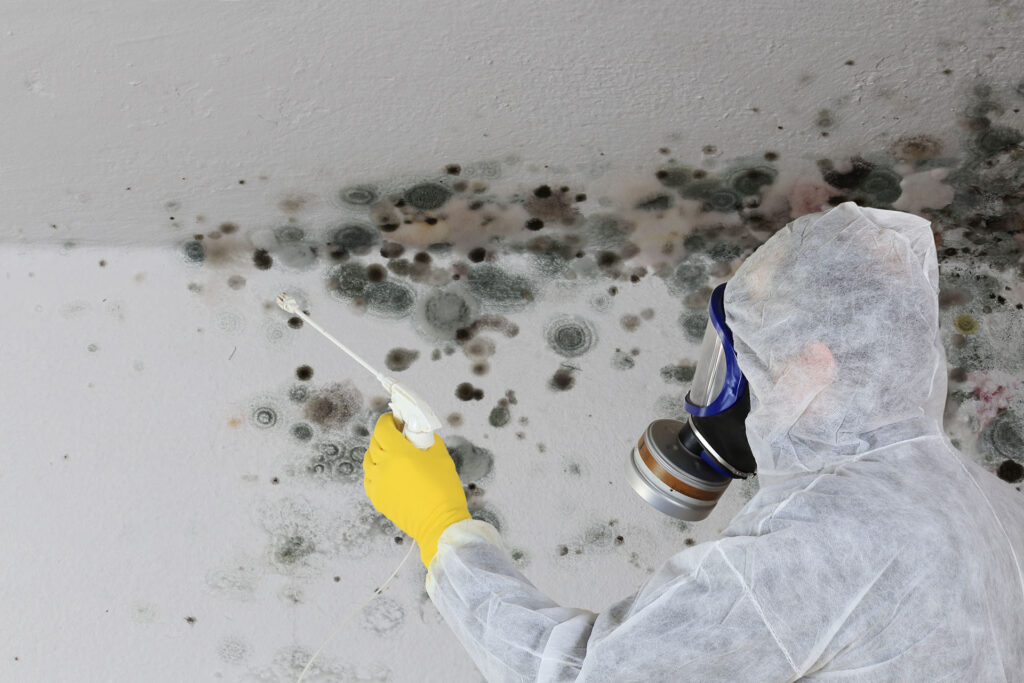
Full membrane replacement with factory seams for long life and warranty backing. Best for full replacements and high‑durability roofs.
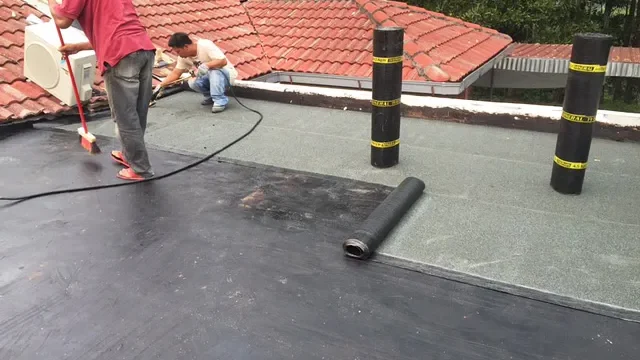
Complete rooftop waterproofing solutions protect buildings from weather damage using premium membrane systems designed for long-term durability and performance.
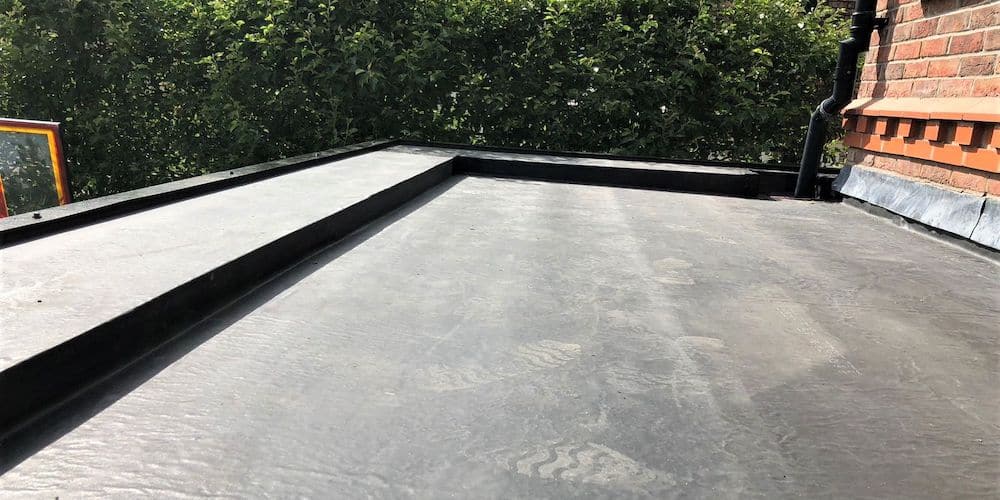
Heat‑applied membranes that bond strongly and work well over repaired decks. Best for low‑slope commercial roofs and structural patching.
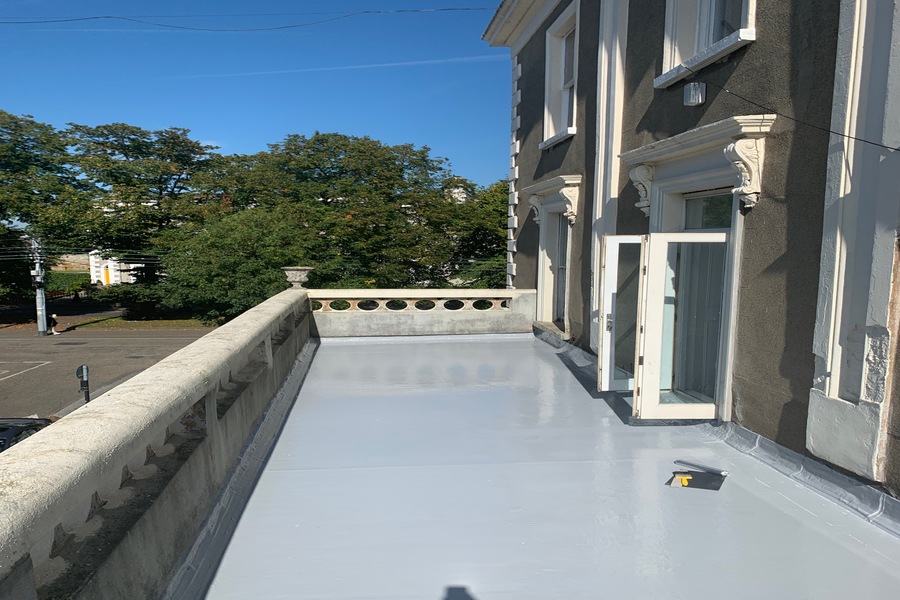
Tapered insulation, crickets, or drain regrading to eliminate standing water. Essential in low‑slope and flat roof waterproofing Texas.
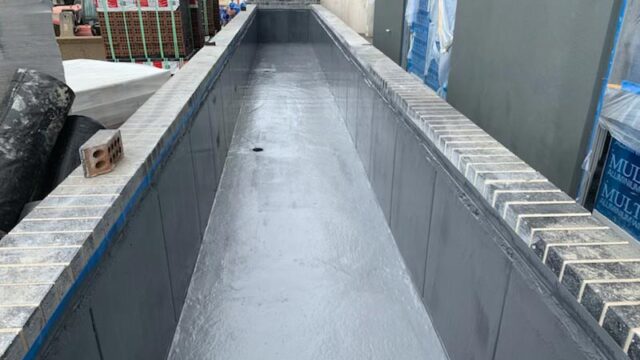
Replace or upgrade flashings and sealants to stop leaks at transitions and penetrations. Best for roofs with many roof-to-wall details or equipment.
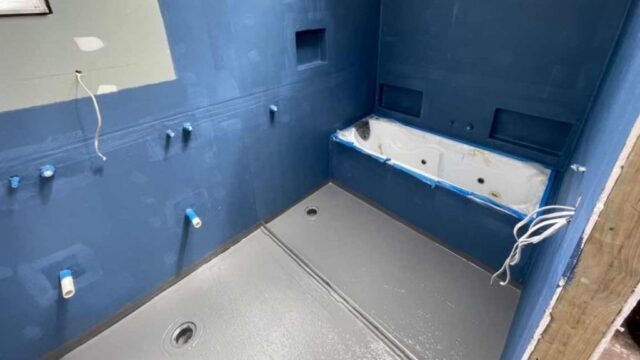
Fast, rooftop leak repair Texas repairs plus scheduled inspections to prevent costly failures. Best for people who want predictable costs and fewer emergency calls.
At Patel Builders, we keep the process simple and transparent so you always know what to expect. Here’s how we move from estimate to long-lasting protection.
Free Remote Quote or Phone Consultation
Tell us about your roof, upload photos, or book a quick call. We’ll give a preliminary estimate and next steps.
On-Site Inspection & Moisture Scan (Thermal or Infrared, if Needed)
A certified technician inspects flashings, drains, and the deck. We use moisture scans when necessary to find hidden issues.
Written Proposal With Recommended Solution, Timeline, & Warranty
You receive a clear scope, material choices, start and finish dates, cost breakdown, and warranty details.
Installation by Certified Experts With Safety and Clean-up
Our crews follow safety protocols, keep you updated, and leave the site clean at job completion.
Post-Install Inspection & Maintenance Plan
We verify the work, provide documentation, and offer maintenance plans to protect your investment.
Keeping up with simple, regular care will protect your investment, preserve warranties, and extend the life of the roof. Here are some easy-to-follow tips you can follow after rooftop waterproofing Texas.
1. Biannual (spring & fall) — Full visual inspection
Check for standing water, torn or loose flashings, split seams, blisters, and debris.
2. After major storms — Quick damage check
Look for new punctures, displaced flashing, clogged drains, and loose equipment.
3. Annual — Flashings, sealants & penetrations
Reseal or replace worn seals around curbs, skylights, pipes, and HVAC mounts.
4. Within 48–72 hours after rain — Ponding check
If water remains, schedule slope correction or targeted repairs.
5. Seasonal — Vegetation & perimeter control
Trim overhanging limbs and secure rooftop equipment to prevent rubbing and damage.
6. Ongoing — Documentation
Take dated photos after inspections and save maintenance invoices for warranty/support.
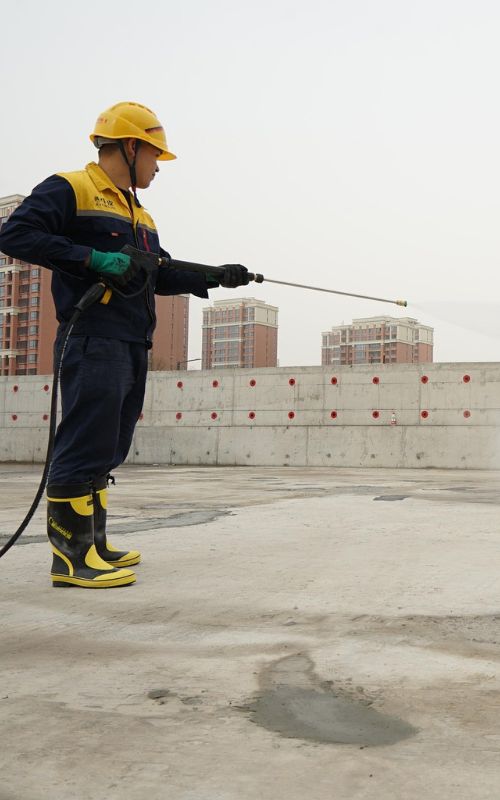
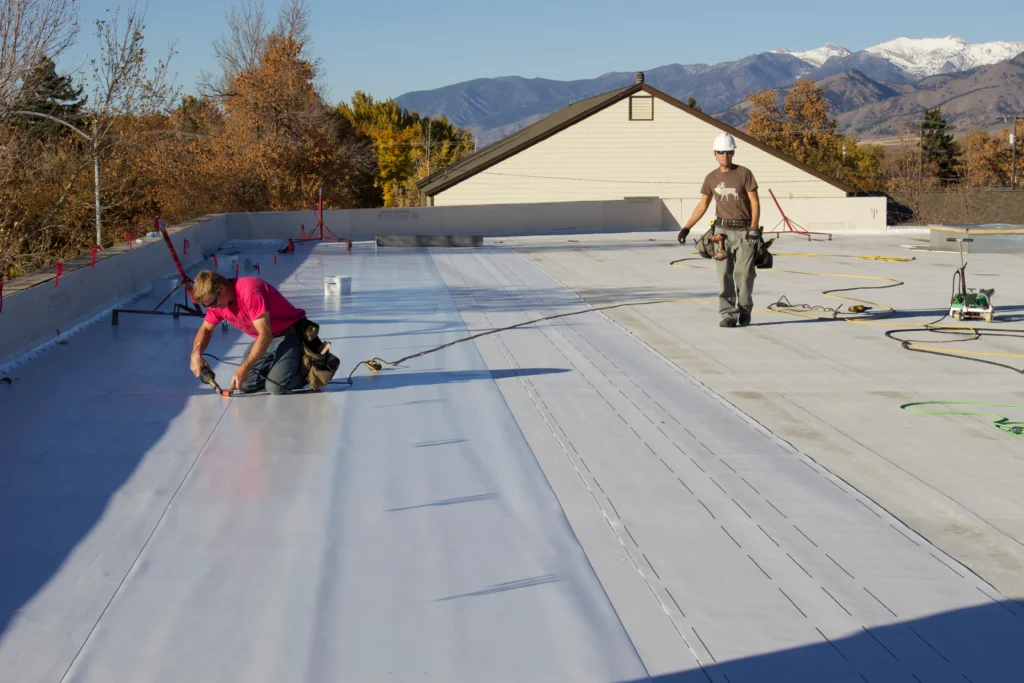
Rooftop waterproofing in Texas demands materials and installation methods that can withstand extreme UV exposure, heat cycles, heavy rain, and hail. Our solutions are engineered specifically for long-term leak protection rather than temporary coatings.
What sets our rooftop waterproofing apart:
Key performance highlights:

Choosing the right waterproofing system depends on how your roof reacts to heat, rainfall, and standing water — especially in a climate like Texas where temperature swings are extreme. Some rooftops need UV-resistant coatings to stand up to harsh sun exposure, while others benefit more from full membrane systems if leaks originate around seams or flashing. Factors like roof slope, surface condition, and insulation all influence the ideal solution. That’s why Texas roofing contractors usually begin with an inspection to determine whether silicone coatings, TPO/EPDM membranes, or reinforced systems offer the longest protection for that specific roof.
Rooftop Costs vary because not every roof has the same structural challenges, drainage issues, or waterproofing needs. Materials, roof size, repairs, and coating type will influence the final price, and commercial buildings usually require enhanced systems for warranty compliance. The condition of the existing surface also plays a major role — roofs with cracks, ponding water, or damaged flashing may require prep work before waterproofing begins. For that reason, cost estimates are typically determined after an inspection rather than a generic per-square-foot rate.
Rooftop Lifespan depends heavily on the system applied and how consistently the roof is maintained over the years. High-performance silicone or membrane systems tend to remain effective longer in Texas because of their resistance to heat and UV breakdown. Roofs that receive periodic inspections and surface cleaning usually maintain their waterproofing longer than roofs left unmanaged. Weather events, like hail or prolonged heat exposure, can also influence longevity over time.
In many cases it can, but only if the existing surface provides proper adhesion and doesn’t contain trapped moisture or structural deterioration. The condition of the roof determines whether a new coating or membrane can be installed directly or whether repairs are needed first. Some roofs qualify for a restoration-based waterproofing approach, while others require partial resurfacing to prevent the same leaks from recurring. Because of that, contractors typically inspect before confirming whether an overlay approach is suitable.
Project timelines depend on the size of the roof, the system selected, and weather conditions during installation. Smaller residential roofs with basic coating systems can often be completed within a couple of days, whereas large commercial flat roofs may require more time because preparation and curing are crucial for long-term adhesion. Work may pause during rain or high humidity to avoid trapping moisture beneath the coating. The goal is speed without compromising durability.
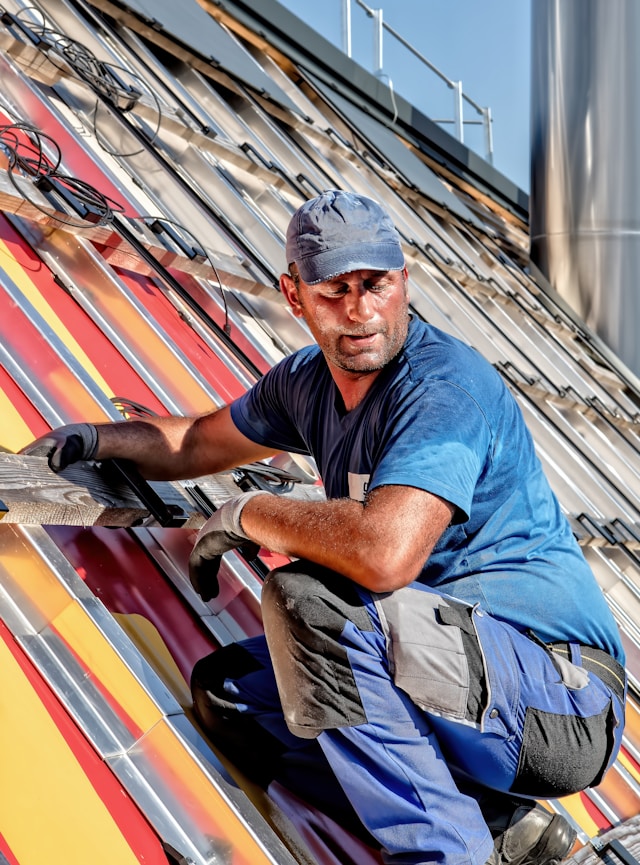
Stop paying for temporary solutions that fail within months. Work with Patel Builders for genuine services that solve the problem right.


Licensed real estate professionals serving New York and Texas since 2019, offering reliable building services, repairs, and renovations.
Certified professionals, offering reliable waterproofing, roofing, and masonry services for all types of properties.
Links
Services
© 2026 Patel Builders Inc.
