
Your property is more than just wood and nails for your business or family. It’s a place where you build your future and keep your memories safe. Texas weather tries to take that away with 100-degree heat and 100-mile-per-hour hurricane winds. With insurance rules getting tighter, you need a roof that stands up to the challenge.
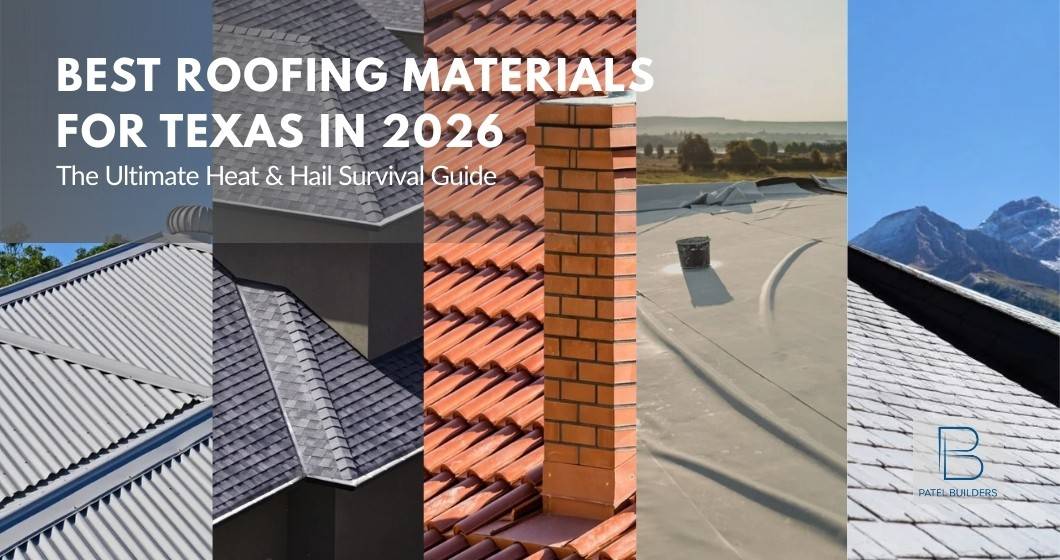
This guide will show you the five best roofing materials for Texas in 2026. You’ll learn what genuinely works in our climate, and which materials save you money over time.
Key Takeaways
- Texas roofs must withstand extreme heat, strong winds, hailstorms, and intense UV exposure, making material choice important for long-term performance.
- Impact resistance, solar reflectance, wind ratings, and UV durability are key factors that define the best roofing materials for Texas.
- Metal roofing offers the best overall protection and lifespan, while impact-resistant asphalt shingles provide a cost-effective alternative.
- Tile, membrane, and slate roofs each serve specific needs based on structure, budget, and climate zone.
- Choosing the right roof saves energy, lowers insurance risk, and reduces long-term replacement costs.
Why Roofing in Texas Is Different From Other States?
Texas weather isn’t consistent. One part of the state may face hail, while another deals with hurricanes or extreme heat. Your roof must handle all of this without failing early.
Climate risk factors for Texas roofs:
- Summer temperatures often exceed 100°F
- Hailstorms can cause sudden impact damage
- Strong UV exposure breaks down roofing surfaces
- High winds stress roof edges and fasteners
- Coastal moisture increases mold and corrosion risk
These conditions shorten the roof’s lifespan if the material and the roofing services in Texas aren’t chosen carefully.
What Makes Roofing Materials for Texas Climate Truly “Texas-Tough”?
Choosing a material that meets high performance ratings can save you money on energy bills and even lower your insurance premiums. The following factors are what experts look for when deciding if a material can stand up to the unique demands of our state:
- Impact resistance tops the list. The UL 2218 test rates roofs from Class 1 to Class 4. Class 4 roofing materials Texas can survive a 2-inch steel ball dropped from 20 feet. That simulates a large hail impact. Many insurers offer 10% to 35% discounts for Class 4 roofs.
- Solar reflectance matters hugely. Good roofs reflect sunlight instead of absorbing it. This keeps your home cooler and your roof cooler. Cooler roofs last longer.
- Wind ratings tell you how much wind your roof can handle. Look for ratings of 120 mph or higher. Coastal areas need even stronger protection.
- Fire resistance protects against wildfires and flying embers. Class A is the best rating. Most quality roofing materials achieve this.
- Long-term durability in UV exposure separates great materials from mediocre ones. Some materials barely notice UV rays. Others break down quickly under the Texas sun.
If you’re curious about how different materials affect your estimate, you can view our detailed guide on roof replacement cost Texas.
What Are the Best Roofing Materials for Texas in 2026?
Protecting your residential and commercial property from the sun and hail requires the best roof for Texas heat and hail materials. These materials represent the best options for durability, heat reflection, and long-term weather resistance in Texas:
1. Metal
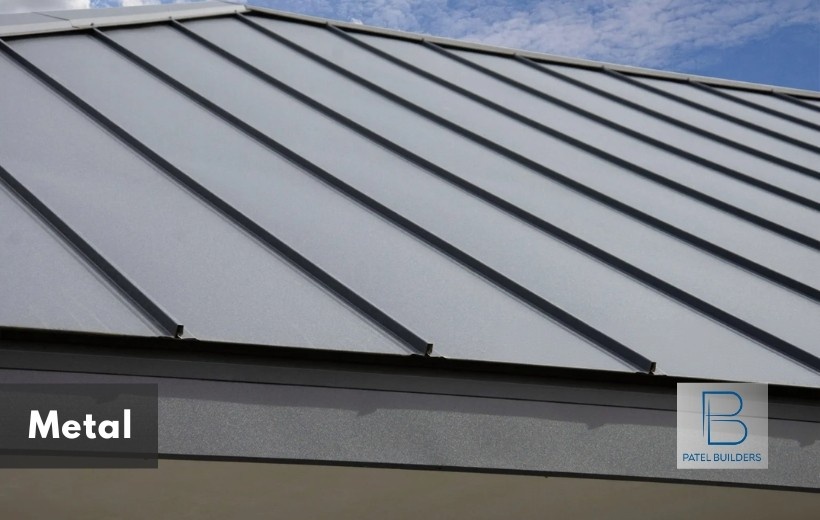
Metal roofing is the king of Texas roofs. It handles our climate better than almost any other roofing material. Metal roofing for Texas heat reflects 65% to 85% of solar radiation.
A quality metal roof can take repeated hail strikes without failure. Most metal roofing achieves Class 4 impact resistance. Some premium hail resistant roofing Texas products rate even higher, aligning with the best roof for North Texas hail needs.
The roofing panels interlock mechanically. Standing seam systems use concealed fasteners that resist wind uplift. These roofs regularly rate for 140+ mph winds. Hurricane-zone installations can achieve 180 mph ratings. That’s stronger than Category 5 hurricane winds.
Best for: Properties in North and Central Texas hail zones, buildings with high cooling costs, buyers who want minimal maintenance hassles
Lifespan: 40 to 70 years (approx.)
Maintenance: Maintenance needs are minimal. You should inspect annually and clean debris from valleys. Check fasteners every few years on screw-down systems.
Cost: $8 to $15+ per square foot installed
2. Asphalt Shingles
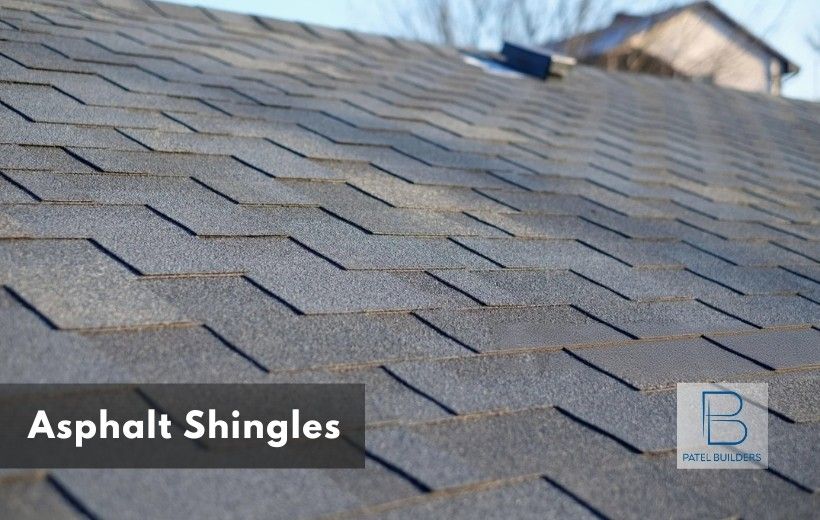
If metal exceeds your budget, impact resistant shingles Texas offer a strong middle ground. Modern cool asphalt technology includes special granules that reduce surface temperatures by 20 to 50 degrees compared to standard dark shingles. They reflect more sunlight than traditional shingles.
Class 4 impact-resistant shingles include a special rubberized asphalt layer or SBS (styrene-butadiene-styrene) polymer modification. They can sustain damage from 2-inch hail compared to standard shingles.
Quality impact-resistant shingles rate for 110 to 130 mph winds when installed correctly. Advanced designs compete in the asphalt vs metal roof Texas debate by offering improved impact-resistant ratings and reasonable roofing material cost Texas values.
Best for: Budget-conscious people searching for the best roof for Texas heat and hail at a lower upfront cost, people who need an upgrade from basic shingles, buildings where the structure won’t support heavier materials
Lifespan: 25 to 30 years (approx.)
Maintenance: This includes annual inspections and replacing damaged shingles after storms. Keep valleys clear of debris. Watch for granule loss in gutters (a sign of aging shingles).
Cost: $3.50 to $7 per square foot installed
3. Clay & Concrete Tiles
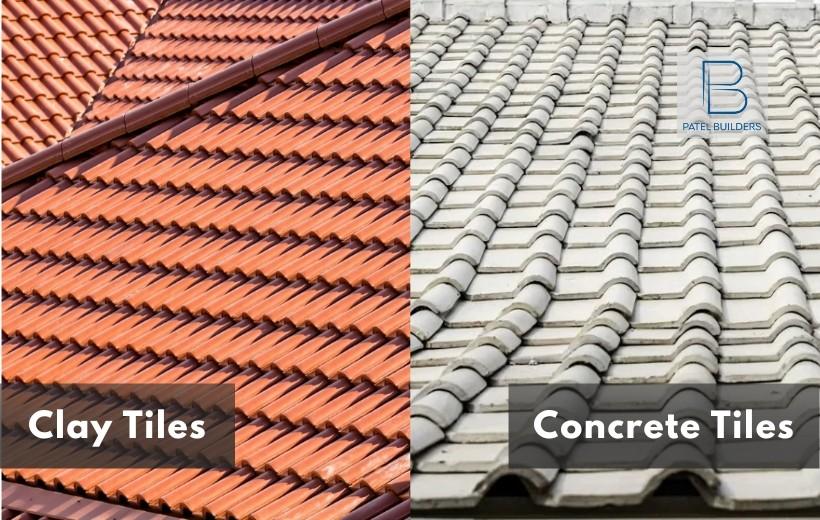
Tile roofs excel in heat management through thermal mass, making them reliable cool roof materials Texas. The design creates an airspace between tiles and the roof deck. Lighter tile colors can reduce cooling costs by 20% to 30%.
But there’s a downside to tiles that not all of them are impact-resistant. They can crack or break from golf-ball-sized hailstones. Stronger tiles exist but cost more.
Wind ratings reach 110 to 150 mph, depending on installation method and tile design. The weight is both good and bad. It resists wind but requires a strong roof structure.
Best for: Mediterranean or Spanish-style buildings, properties in Central and South Texas heat zones, buildings with a strong enough structure to support the weight
Lifespan: Clay tiles – 50 to 100 years (approx.), concrete tiles – 40 to 50 years (approx.)
Maintenance: This involves replacing broken tiles after hailstorms. Keep valleys clear. Inspect flashings every few years. The underlayment may need replacement at 20 to 25 years, even if the tiles look perfect.
Cost: Clay tiles – $12 to $20 per square foot installed, concrete tiles – $10 to $18 per square foot
4. TPO & PVC Membrane
Single-ply membrane roofing dominates commercial and flat residential applications that require heat resistant roofing Texas solutions. White membrane roofs reflect 80% to 85% of solar radiation. They can reduce cooling energy use by 20% to 30% in hot climates. Their surface temperatures run cooler than black membranes.
Small to moderate hail generally causes no damage. However, very large hail can puncture the membranes. So, you have to choose 60-mil or 80-mil membrane thickness in hail-prone areas.
Wind resistance depends on the attachment method. Mechanically fastened systems rate for 60 to 90 mph generally. Wind uplift resistance reaches 120+ mph with proper installation.
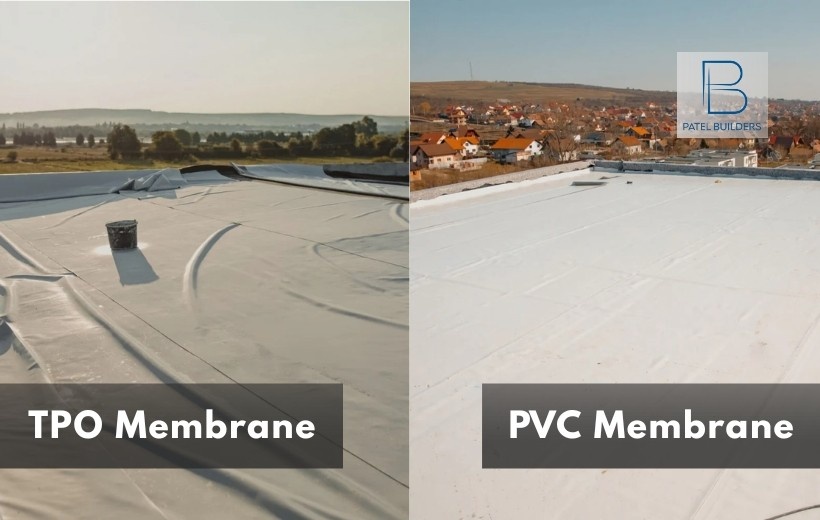
Best for: Flat or low-slope roofs, commercial buildings, modern houses with flat roof sections, properties prioritizing energy efficiency
Lifespan: TPO – 20 to 30 years (approx.), PVC lasts 25 to 35 years (approx.)
Maintenance: This includes annual inspections and seam checks. Clean drains regularly. Patch any punctures immediately. Walk carefully to avoid damage.
Cost: TPO – $6 to $12 per square foot installed, PVC – 8 to 14 per square foot installed
5. Slate Shingles
Slate offers moderate heat performance. The dense stone absorbs heat but doesn’t transfer it as quickly as metal conducts. Dark slate colors absorb more heat. Lighter gray or purple slates perform better, and you can expect cooling cost reductions of 5% to 15% compared to dark asphalt.
It won’t dry out, crack, or degrade from UV exposure, but from golf-ball-sized hailstones. Their wind ratings reach 110 to 150 mph, and durability complements hail resistant roofing Texas planning when correctly installed.
Broken slate pieces don’t mean immediate roof failure. The underlayment provides the waterproofing. Damaged slates need replacement, but usually don’t cause leaks immediately.
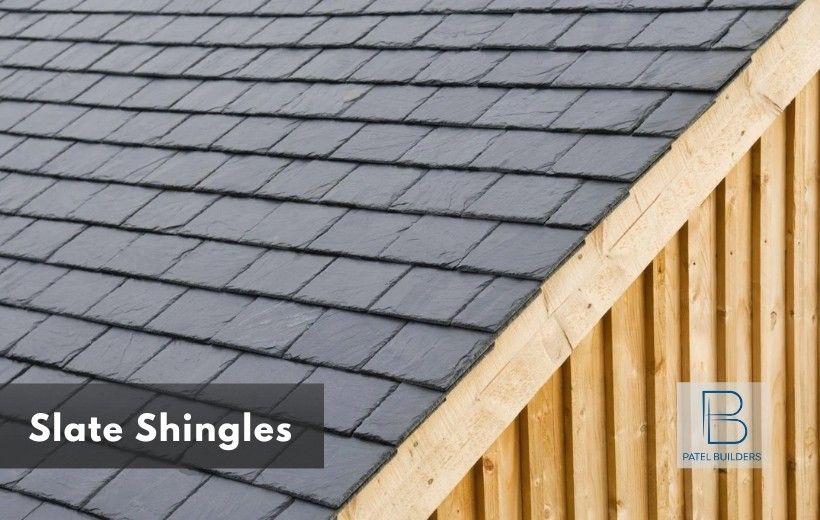
Best for: Historic or high-end luxury buildings, properties with existing slate that needs matching, architecturally important buildings
Lifespan: 75 to 200+ years (approx.)
Maintenance: This involves replacing broken pieces after storms. Copper flashings last 70+ years. The underlayment needs replacement every 30 to 40 years, even though the slate keeps going.
Cost: $20 to $30+ per square foot installed
Get a Weather-Ready Roof With Patel Builders!
Texas weather is unpredictable, but your roof shouldn’t be. By selecting materials like impact-resistant shingles, UV-resistant slate, or high-wind metal systems, you shield your property from 100-mph hail and extreme UV exposure.
Choosing the best roof for Texas heat and hail is about long-term value, not short-term fixes. Patel Builders specializes in installing these “Texas-Tough” roofing materials and ensures your investment stands up to the next 20+ years of weather. Contact us online or call us at (+1) 516-205-0420 to schedule your roof assessment today.
Professional roof replacement services in Texas
Frequently Asked Questions
1. What is the best roofing material for hail in Texas?
Metal roofing is your top choice for Texas hail because it is extremely tough. You could also pick Class 4 impact-resistant shingles. They offer a great balance of protection (withstand 2-inch hail) and cost.
2. What roof stays coolest in Texas heat?
For the coolest roof in Texas heat, choose reflective metal roofing or clay/concrete tiles in light colors. They help reflect sunlight and cut down heat absorption. Also, make sure your attic has adequate ventilation and insulation. This combo keeps your attic and living areas much cooler.
3. Is metal roofing worth it in Texas?
Yes, metal roofing is a smart investment in Texas. It lasts 40-70 years and withstands extreme heat, hail, and high winds. Plus, it reflects heat, which saves on energy costs. Maintenance is low, and it can boost your insurance or resale value. Their initial cost is higher than that of asphalt shingles, but the benefits make it worth it.
4. How long do roofs last in the Texas climate?
In Texas, most roofs last 15-20 years. This varies by material: asphalt shingles last 15-25 years, while metal roofs can last 40-70 years, and tile roofs can last 50+ years. Intense sun, hail, and storms can shorten these lifespans. Proper installation and maintenance are essential to maximizing your roof’s potential.
5. Are Class 4 shingles better than regular shingles in Texas?
Yes, Class 4 shingles are much better than regular shingles in Texas. They offer great impact resistance due to modified asphalt and polymers. This means better protection from hail and debris, especially in hail-prone areas.
Homeowners can often get insurance discounts and save on storm damage costs. So, the higher upfront cost is worth it for long-term savings and peace of mind.