
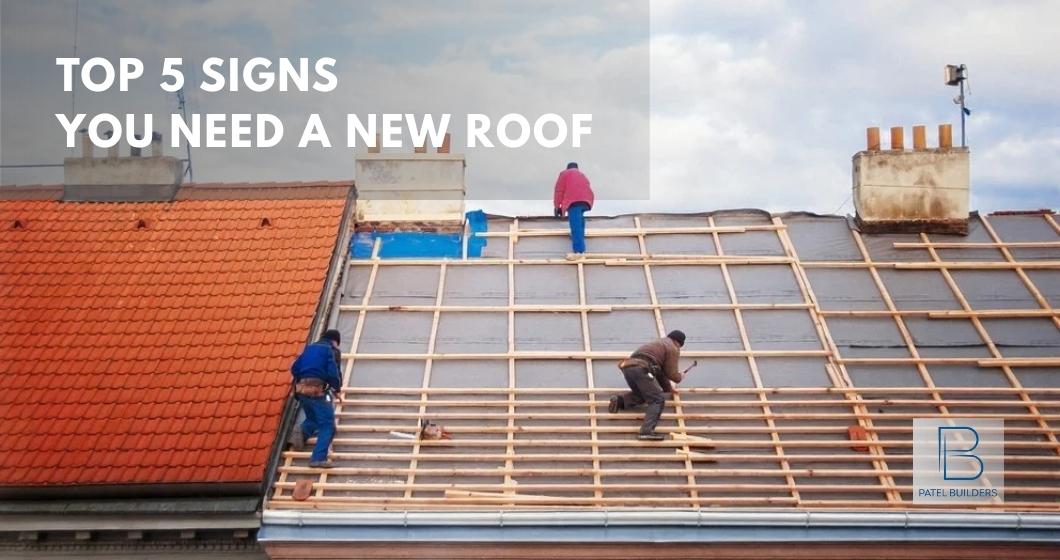
After the last severe hailstorm that swept through the Houston and Dallas areas, thousands of Texas property owners found themselves asking the same question: “Does my roof need replacing?”
If your roof is showing signs of wear, you’re facing a time-sensitive decision that could cost you thousands in water damage, structural repairs, and emergency fixes. The difference between catching problems early and waiting too long can mean the difference between a $10,000 planned replacement and a $25,000 emergency disaster cleanup.
This blog explores the top five roof replacement warning signs that it’s time for a new roof. Whether you own a single property or manage multiple buildings across Texas, these roof damage signs can help you make the right decision at the right time.
Key Takeaways
➤ Texas weather speeds up roof wear, and ignoring early warning signs you need a new roof can turn minor repairs into costly structural damage.
➤ Missing, cracked, or curling shingles expose your roof deck to water infiltration and often signal widespread aging.
➤ Heavy granule loss in gutters reduces UV protection and shortens shingle lifespan significantly.
➤ Ceiling stains, mold odors, moss growth, and damaged flashing indicate active moisture problems that require immediate attention.
➤ If repair costs exceed half the replacement cost or the roof is over 20 years old, full replacement is usually the smarter investment.
Why Early Detection Saves You Thousands
Your roof does more than keep rain out. It protects your entire investment.
In Texas, roof problems don’t just happen—they escalate fast. Our state sees over 50 days of severe thunderstorms each year. We face intense UV radiation every year. And between May and November, hurricane season brings powerful winds and heavy rainfall. This makes timely roofing services essential for preventing rapid deterioration.
Here’s what this means for you:
When you ignore early roof replacement warning signs, small problems become expensive disasters. A minor leak that starts at $500 to fix can turn into $15,000 in water damage, mold remediation, and structural repairs within months.
Catching problems early isn’t just smart—it’s necessary for protecting your property value and avoiding emergency expenses.
5 Warning Signs You Need a New Roof
Deciding whether to patch up your roof or replace it entirely can feel like a difficult decision. Catching these failing roof symptoms early is often the only thing standing between a manageable project and an emergency that costs twice as much. That’s why following a reliable roofing service guide is essential for making informed choices.
1. Missing, Cracked, or Curling Shingles
Walk outside and look up at your roof. Do you see bare spots? Curled edges? Cracked sections?

What to look for:
(i) Shingles that have blown off completely (you’ll see exposed underlayment)
(ii) Edges that curl upward or downward
(iii) Visible cracks running through shingles
(iv) Shingles that look different colors (weathering patterns)
Why it matters:
Each shingle acts as a protective barrier. When shingles crack, curl, or go missing, water can seep underneath. This leads to rot in your roof deck, leaks into your ceiling, and potential mold growth in your attic.
Wind-driven rain during storms can penetrate even small gaps in shingle coverage. In Texas, where we face frequent severe weather, these vulnerabilities become serious risks.
What you should do:
If you notice widespread shingle damage (more than 20% of your roof), going for roof replacement services is usually more cost-effective than patching.
However, a professional can better assess the extent of damage and recommend the best solution. They can also recommend upgrading to the best roofing materials for heat and hail for stronger long-term protection.
2. Granules Accumulating in Gutters
When you clean your gutters, do you find sandy, gritty material collecting in piles? This is one of the early indicators you may overlook when deciding when to replace your roof.

What to check:
(i) Look in your gutters and downspouts for small, sandlike particles
(ii) Check the ground where downspouts drain for accumulation
(iii) Notice if the collection has increased over recent months
Why it matters:
Those granules are the protective coating on your shingles. They shield against UV rays, fire, and impact damage. When granules wash away, your shingles become vulnerable. Significant granule loss can reduce a roof’s lifespan by up to 50%. The exposed asphalt substrate deteriorates rapidly under direct sunlight and weather exposure.
What you should do:
It’s normal to lose some granules in the first year. But ongoing, heavy accumulation signals your shingles are failing. Have a professional inspect your roof to assess the extent of granule loss.
3. Water Stains on Ceilings or Walls
Brown or yellow stains on your ceiling mean water is getting where it shouldn’t.

What to look for:
(i) Discoloration on ceilings, especially near corners or around chimneys
(ii) Water marks on walls in upper floors
(iii) Peeling paint or bubbling drywall
(iv) Musty odors in attics or upper rooms
Why it matters:
Water stains indicate active leaks. Water doesn’t just damage drywall; it rots wood framing, destroys insulation, and creates conditions for mold growth.
The Centers for Disease Control and Prevention warns that mold exposure can cause respiratory problems, allergic reactions, and other health issues. In properties with tenants, mold creates liability issues and health code violations. This makes it important to understand when to replace your roof before structural and health risks escalate
What you should do:
Don’t wait! Even small water stains indicate problems that’ll only get worse. A professional inspection can locate the source and determine if repairs will fix the issue or if replacement is necessary.
4. Moss, Algae, or Dark Streaks
Do you see green moss growing on your shingles? Dark streaks running down your roof?

What to look for:
(i) Green, fuzzy growth (moss)
(ii) Black streaks or discoloration (algae)
(iii) Slimy or slippery spots
(iv) Uneven coloring across your roof
Why it matters:
Moss holds moisture against your shingles. This constant dampness accelerates deterioration. Moss roots can lift shingle edges, allowing water underneath.
Algae doesn’t directly damage shingles, but it indicates moisture problems. It also reduces your roof’s ability to reflect heat, increasing cooling costs.
What you should do:
Limited growth on an otherwise healthy roof can sometimes be cleaned. Widespread growth or growth combined with other roof replacement warning signs usually indicates replacement is necessary.
5. Damaged or Rusted Flashing
Flashing seals the joints around chimneys, vents, skylights, and roof valleys. Problems in these areas are often overlooked when evaluating when to replace your roof.

What to check:
(i) Inspect visible flashing for rust or corrosion
(ii) Look for gaps or separation between flashing and the roof surface
(iii) Check if flashing appears bent, damaged, or missing
Why it matters:
Flashing prevents water from entering at vulnerable junction points. When flashing fails, water flows directly into your structure at these critical areas. Improper or damaged flashing causes the majority of roof leaks, not shingle failure.
What you should do:
Damaged flashing can sometimes be repaired or replaced without full roof replacement. However, if your flashing is failing in multiple locations and your roof is aging, replacement often makes more financial sense.
How to Know if Roof Needs Replacement
If you’re seeing widespread issues across the entire surface or if your roof is approaching the two-decade mark, a full replacement is usually the smarter financial move. To help you make the right choice between roof replacement vs repair, here are the things you should look for during your next inspection:
| Scenario | Repair | Replace | Why |
| Roof under 10 years old with isolated damage | ✓ | – | Cost-effective short-term solution |
| Damage affecting less than 20% of roof | ✓ | – | Repairs sufficient if rest of roof is healthy |
| Age 15–20 years with widespread issues | – | ✓ | Repairs are temporary; problems will continue |
| Multiple previous repairs | – | ✓ | Diminishing returns; replacement is better investment |
| Structural problems or sagging | – | ✓ | Safety priority; repairs won’t solve core issues |
| Roof approaching end of expected lifespan | – | ✓ | Plan for replacement to avoid emergency situation |
The 50% rule: If repair costs exceed 50% of the roof replacement cost, replacement often makes more financial sense.
Consider your plans: If you’re selling within 1–2 years, a new roof can increase property value and attract buyers. If you’re keeping the property long-term, replacement may be the better investment.
Don’t Let Small Problems Become Expensive Disasters!
Your roof is your property’s first line of defense against Texas weather. Missing or damaged shingles, granule loss in gutters, water stains, moss growth, and failing flashing are clear signals that your roof needs professional attention.
Ignoring these roof replacement warning signs leads to expensive water damage, structural problems, and emergency repairs that cost thousands more than planned replacement.
Don’t wait until small problems become major disasters! Patel Builders specializes in comprehensive roof inspections and replacement services across Texas. Contact us today or call +1 (516) 205-0420 to schedule your free roof assessment and protect your investment before the next storm hits.
Frequently Asked Questions
1. How do I know if my roof needs replacement or just repair?
A roof usually needs replacement if it’s over 20–25 years old, has widespread damage, shows major granule loss, or has a sagging deck from severe weather.
Repairs work for small issues like minor leaks, damaged flashing, or a few broken shingles. However, if repairs happen often, a full replacement is likely more cost-effective.
For exterior walls, use high-performance barriers like breathable wraps and structural sheathing. They prevent moisture from getting in.
2. How many leaks mean a roof should be replaced?
A roof usually needs replacement when it has multiple, recurring leaks. This is especially true if leaks appear in different areas or if over 25% of the roof is damaged. A single leak may just need a repair. However, widespread leaks, severe sagging, or aging (around 20–25 years) often mean a replacement is needed.
3. Can a roof be replaced before it starts leaking?
Yes, replacing a roof before it leaks is highly recommended. This helps avoid structural damage, mold, and higher repair costs. It’s best to replace a roof if it’s 15–30 years old. Look for visible signs of aging, like curling or missing shingles, and significant granule loss.
4. Is roof replacement necessary if shingles are damaged?
Damaged shingles don’t always mean you need a full roof replacement; repairs can fix some problems. A complete replacement is usually needed if the damage is severe (e.g., more than 25% of the roof), if the roof is nearing its 20–25 year lifespan, or if curling, cracking, or missing shingles show major issues.
5. What age is too old for a roof?
Asphalt shingle roofs are usually seen as “too old” after 15–20 years. They often reach the end of their useful life by 20–25 years. In contrast, metal, slate, or tile roofs can last 40–100 years. However, insurers often view roofs older than 15–20 years as high-risk, which may limit coverage.